

 See My Latest Article on HelloNation
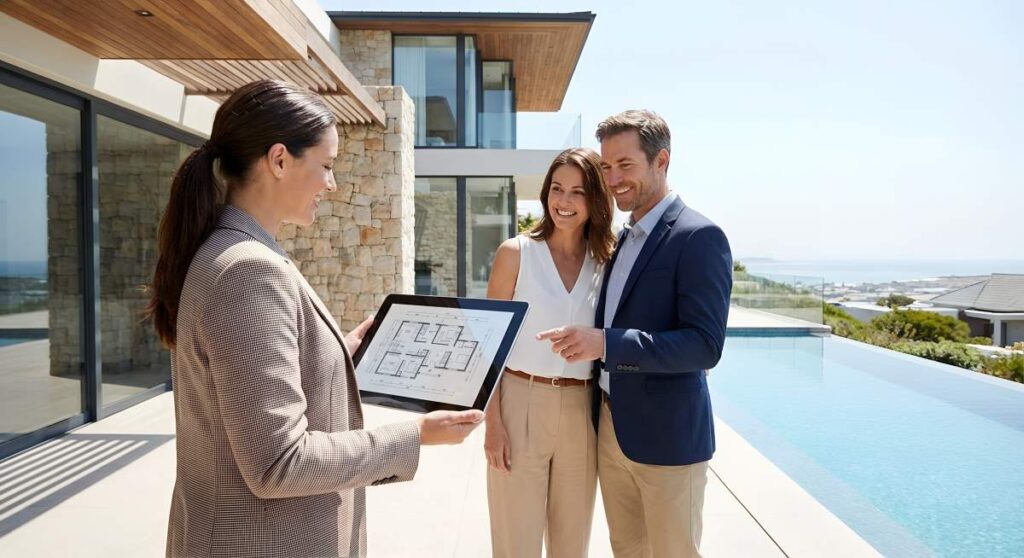
Luxury home showings are no longer limited to a scheduled visit and a walk through the front door. In Hilton Head Island, SC, interactive 3D tours, guided video calls, floor plans, and high-resolution photography are changing how buyers evaluate properties before deciding whether an in-person visit is worthwhile.
These tools are especially useful for second-home buyers, seasonal residents, remote decision-makers, and households comparing several high-value properties at once. They do not replace physical due diligence, but they can make the early stages of a search more efficient and informed.
What is a virtual home tour?
A virtual home tour is a digital presentation that allows a buyer to explore a property remotely. The format may be a simple video walkthrough, an interactive 360-degree tour, or a three-dimensional model that lets viewers move from room to room at their own pace.
A complete digital presentation may include:
- An interactive floor plan
- Room-by-room navigation
- Measurements or approximate spatial references
- Exterior views of patios, porches, pools, and landscaping
- Video commentary from a person touring the home
- Still photographs showing architectural details
- Notes about views, storage, access points, and unusual features
A video walkthrough is usually guided from beginning to end. A 3D tour is more self-directed, allowing viewers to revisit a kitchen, bedroom, garage, or outdoor area several times.
Why are virtual tours particularly useful for luxury properties?
Luxury homes often involve more than square footage and bedroom counts. Buyers may need to understand how formal and informal spaces connect, whether an outdoor area feels private, how a primary suite relates to the rest of the home, or whether the property supports extended family and overnight guests.
A virtual tour can reveal the relationship between spaces more effectively than a collection of separate photographs. Buyers can study sightlines, ceiling heights, room proportions, stair locations, and transitions between indoor and outdoor areas.
This is valuable in homes with:
- Multiple living areas
- Guest suites or detached spaces
- Expansive terraces and screened porches
- Water-facing or wooded views
- Complex floor plans
- Custom millwork, built-ins, or specialty rooms
- Extensive landscaping or recreational features
For a high-value property, the ability to revisit a tour later can also help several decision-makers compare their impressions without needing to be in the same place at the same time.
How do virtual tours help buyers who live elsewhere?
Many luxury buyers do not live in the community year-round. A digital tour can reduce unnecessary travel by helping a household eliminate homes that do not fit its needs before arranging an in-person visit.
A remote buyer can use a tour to answer practical questions such as:
- Is the floor plan compatible with everyday routines?
- Are the bedrooms separated enough for privacy?
- Does the home have a convenient entry for groceries, guests, or mobility needs?
- Is outdoor living connected naturally to the main living area?
- Are there visible stairs, narrow passages, or other access concerns?
- Does the property appear furnished in a way that accurately communicates scale?
A live video showing can add another layer. During a guided call, buyers can ask for a closer view of a cabinet, window, ceiling, appliance, storage area, or exterior feature that may not be emphasized in a prerecorded presentation.
What should buyers look for in a virtual showing?
The most useful virtual tour is not necessarily the one with the most dramatic visuals. Accuracy, continuity, and context matter more than polished presentation.
Buyers should pay attention to whether the tour:
- Shows the entire home rather than only selected rooms
- Includes entrances, hallways, closets, utility areas, and outdoor spaces
- Provides a floor plan that matches the visual tour
- Shows windows and views from inside the rooms
- Gives a realistic sense of room dimensions
- Identifies areas that are unavailable or excluded
- Distinguishes between permanent features and removable furnishings
It is also useful to watch for camera height and lens distortion. Wide-angle photography can make a room appear larger or more open than it feels in person. A carefully edited video may also omit maintenance concerns, neighboring structures, road noise, drainage patterns, or signs of wear.
A virtual tour should be treated as an initial evaluation tool, not as proof that a property is in perfect condition.
What can virtual tours reveal about coastal homes?
Local conditions make the exterior portion of a showing especially important. In Hilton Head Island, buyers may need to consider humidity, intense summer sun, salt air, wind exposure, drainage, landscaping demands, and the relationship between the home and surrounding vegetation.
A good digital showing should make it possible to examine:
- Rooflines, gutters, exterior walls, and visible drainage features
- The condition of decks, porches, balconies, and screened areas
- How much shade reaches outdoor living spaces
- Whether landscaping appears dense, open, mature, or difficult to maintain
- The location of outdoor equipment and storage
- Access to driveways, garages, walkways, and service areas
- The direction and quality of water, wooded, or golf-related views
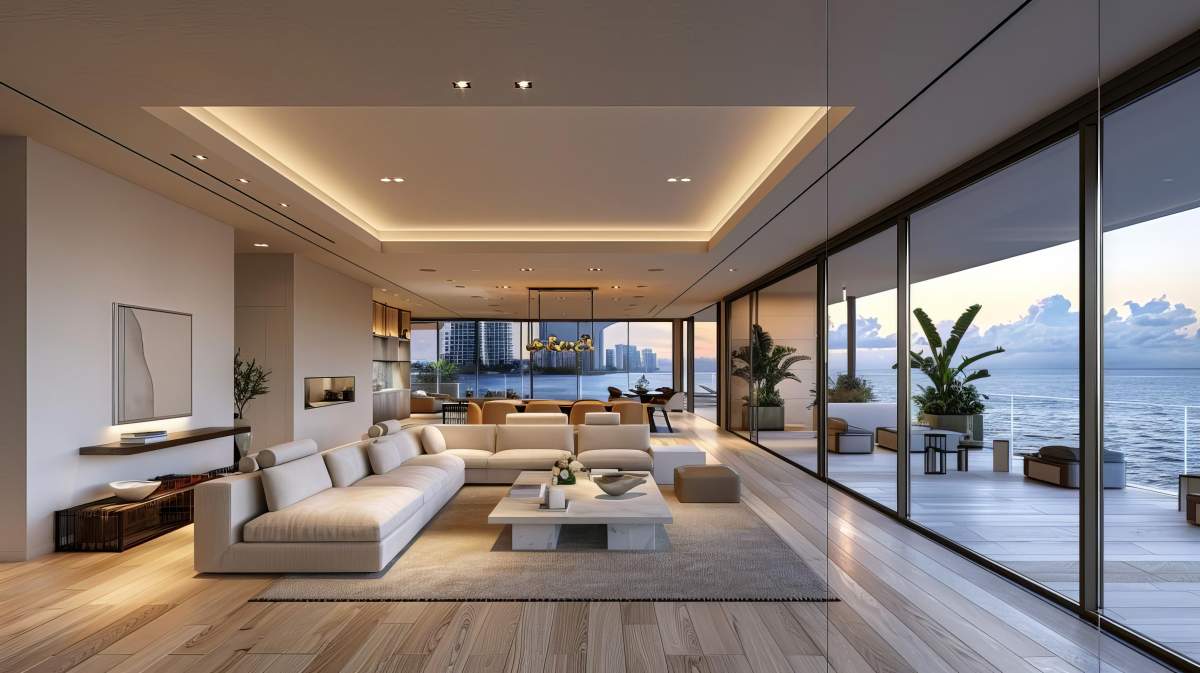
Virtual tours cannot confirm flood risk, elevation, insurance requirements, structural condition, or the performance of drainage systems. Those questions require separate documentation, inspections, and careful review of property records and applicable rules.
Can a buyer make an offer based only on a virtual tour?
A buyer may choose to make an offer without visiting in person, but a virtual tour alone does not provide enough information for most high-value decisions. It cannot fully communicate sound, odors, temperature, air movement, surface texture, neighborhood activity, or how a home feels at different times of day.
For a remote buyer, a more complete evaluation may combine:
- A 3D tour
- A live video showing
- An accurate floor plan
- Property disclosures
- Inspection reports
- Insurance and flood-related information
- Survey and title materials
- A review of association rules, fees, and restrictions where applicable
- An in-person visit by the buyer or a trusted representative
The more expensive, customized, or unusual the property, the more important it becomes to verify details outside the digital presentation.
How are virtual tours changing the in-person showing?
Virtual tools are not eliminating physical showings. They are changing their purpose. Instead of using the first visit to discover basic layout information, buyers can arrive with a shorter list of serious questions.
An in-person showing may then focus on matters a screen cannot communicate well:
- Natural light at different times of day
- Indoor temperature and ventilation
- Noise from roads, equipment, or nearby activity
- The feel of flooring, cabinetry, and finishes
- Ease of movement through the home
- Privacy from adjoining properties
- The condition of exterior surfaces and landscaping
- Whether the property feels comfortable rather than merely attractive
This can make a showing more deliberate and less rushed. It also gives buyers a stronger basis for comparing properties that may look similar online but feel very different in person.
What makes a virtual tour trustworthy?
Transparency is the most important quality. A trustworthy presentation shows the full property in a reasonably accurate way and makes clear what the camera cannot establish.
Buyers should be cautious when a tour:
- Uses only tightly framed images
- Omits utility spaces or exterior areas
- Relies heavily on digital enhancements
- Provides no floor plan or room dimensions
- Does not clarify what is included with the property
- Presents views without identifying their direction or permanence
- Makes condition claims that are not supported by documents
The most useful digital showing does not try to answer every question. It helps buyers identify which questions still need answers before they spend time, money, or emotional energy moving forward.