

 See My Latest Article on HelloNation
What Makes a Property "Luxury" in Hilton Head Island, SC?
Luxury real estate on Hilton Head Island, SC is defined by far more than just a high price tag. These properties are set apart by their location, size, amenities, and the type of lifestyle they offer. In the local context, luxury often means direct waterfront access, ocean or marsh views, custom design touches, and exclusive privacy, all of which are valued by both year-round residents and seasonal homeowners.
Luxury homes in the area tend to be situated within private communities or along highly desirable parts of the coastline, offering features such as expansive outdoor living spaces, high-end kitchens, private docks, and pools. Advanced technologies, professionally curated interiors, and architectural uniqueness are also common.
How Do Traditional Homes Compare?
Traditional real estate on Hilton Head Island generally refers to properties built for practical day-to-day needs of local families or retirees. These residences may offer comfortable living but usually lack the extensive upgrades, premium locations, and individualized craftsmanship found in the upper luxury segment.
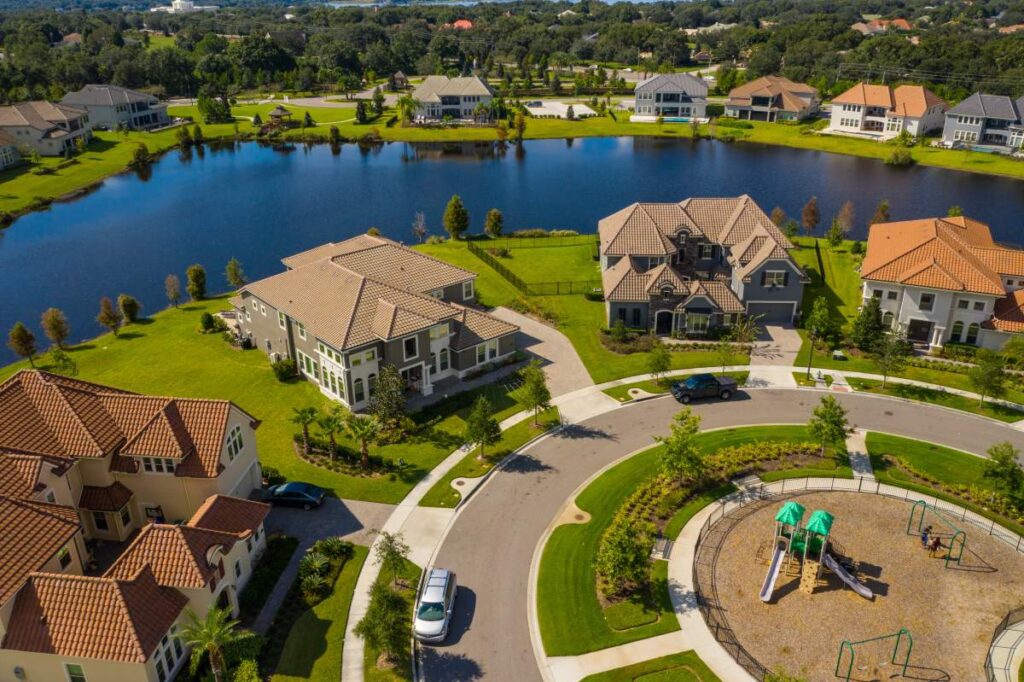
Most traditional homes are located within established neighborhoods away from direct waterfront or beachfront. While they may offer convenient access to schools, parks, or shopping centers, features like large lots, smart-home technology, or private resort-style amenities are less typical. Most focus on functional layouts, energy efficiency, and straightforward maintenance.
Is Pricing the Only Difference?
Price is a major factor, but not the only one. Luxury properties command significantly higher prices due to factors like expansive land, rare vistas, top-tier finishes, and architectural pedigree. However, even among similar-sized homes, the designation "luxury" reflects intangible qualities: privacy, prestige, exclusivity, and the feeling of owning something truly one-of-a-kind.
Traditional homes are typically priced based on practical elements—square footage, age, and neighborhood trends. In contrast, luxury pricing may be influenced by aesthetic uniqueness, designer credentials, or proximity to golf courses, marinas, and protected natural spaces. In many cases, local luxury buyers value not just the home, but its context: the ability to effortlessly entertain guests, house extended family, and enjoy seamless indoor-outdoor living year-round.
Are Buying and Selling Processes Different?
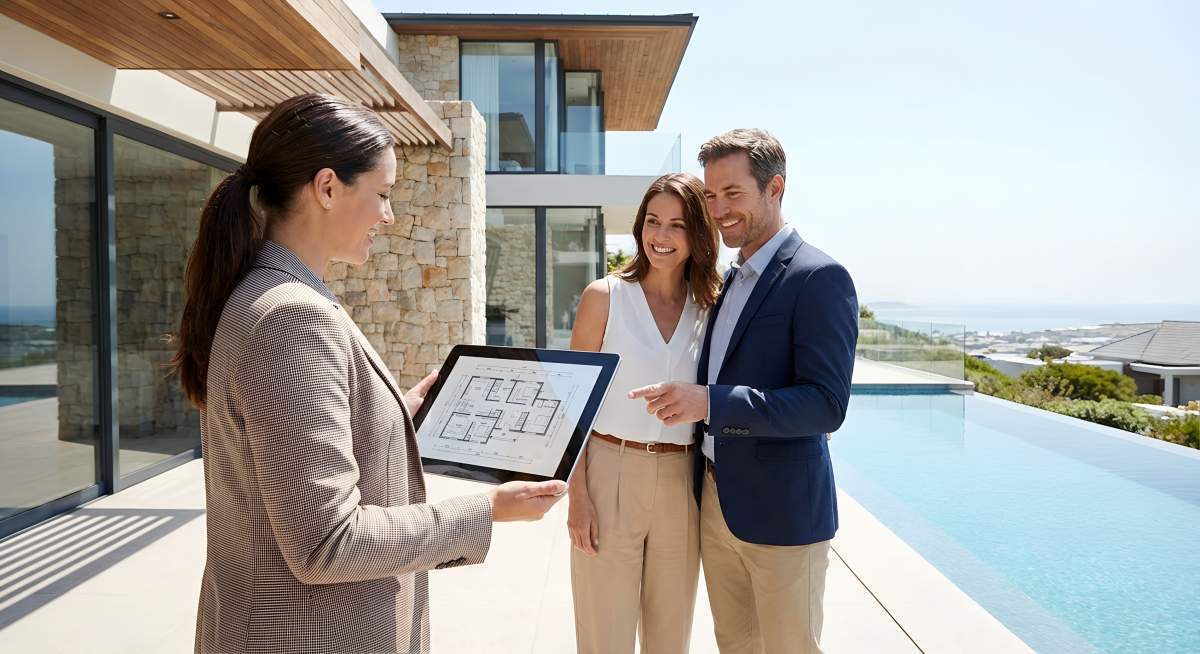
Yes, the process differs in notable ways. Luxury real estate dealings on Hilton Head Island are usually more discreet, with a focus on privacy for both sellers and buyers. It’s common for high-end homes to be marketed through invitation-only events, confidential listings, and private networks rather than mass advertising.
Traditional home transactions tend to follow more standardized procedures, with broader market exposure using online listings and open houses. The timeline for selling a traditional property is usually shorter, as luxury homes often require more time to find the right match due to their unique attributes and higher price points.
What Local Factors Influence Each Segment?
The Hilton Head Island climate, local regulations, and unique geography impact both luxury and traditional real estate, but in differing ways:
- Luxury homes often involve additional considerations for coastal resilience, as buyers seek storm-hardened features or elevated construction.
- Waterfront and marsh-side luxury properties may require specialized insurance or adherence to environmental protections, which add layers of complexity not always present in inland traditional neighborhoods.
- Many luxury properties operate under stricter homeowners’ association rules, especially within private resort communities.
- Seasonal considerations like hurricane preparation and salt air corrosion impact both luxury and traditional properties, but the scale, materials, and technology involved in luxury construction often require more proactive, specialized upkeep.
What Are Common Misconceptions about Luxury vs. Traditional Real Estate?
A frequent misconception is that luxury homes are simply larger or newer than traditional homes, when in fact, some historic properties on Hilton Head Island qualify as luxury due to irreplaceable locations or architectural significance. Conversely, not all large or expensive homes are considered luxury if they lack meaningful exclusivity or distinctive character.
Another overlooked factor: Some residents assume luxury real estate is solely for seasonal visitors. Many year-round locals occupy these homes, blending a desire for privacy and recreation with ties to local schools, community events, and charitable organizations.
How Does Lifestyle Differ in Each Market?
Luxury properties on Hilton Head Island are designed for living as much outdoors as indoors. Features like wraparound porches, outdoor kitchens, firepits, and infinity pools cater to social gatherings and relaxation amid the region’s mild climate. Access to golf courses, private marinas, and beach paths often defines daily routines for these homeowners.
Traditional homes typically center community life around parks, local events, and neighborhood gatherings, emphasizing accessibility and practical comfort rather than high exclusivity. Shared amenities, if available, are more likely to include community pools, tennis courts, or playgrounds, serving residents of all ages in a more informal atmosphere.
What Should Local Residents Consider When Choosing Between the Two?
Residents evaluating their current or future needs should consider priorities regarding privacy, maintenance responsibilities, investment goals, and intended use of their home. Luxury properties may offer elevated prestige and recreational opportunities, but often require more careful budgeting for upkeep, association dues, and insurance. Traditional homes offer straightforward living with easier access to city conveniences.
Hilton Head Island’s diverse real estate landscape allows for both options to thrive—offering everything from luxury retreats ideal for entertaining or multigenerational living, to practical homes that support comfortable daily lifestyles for families and retirees alike.