

 See My Latest Article on HelloNation
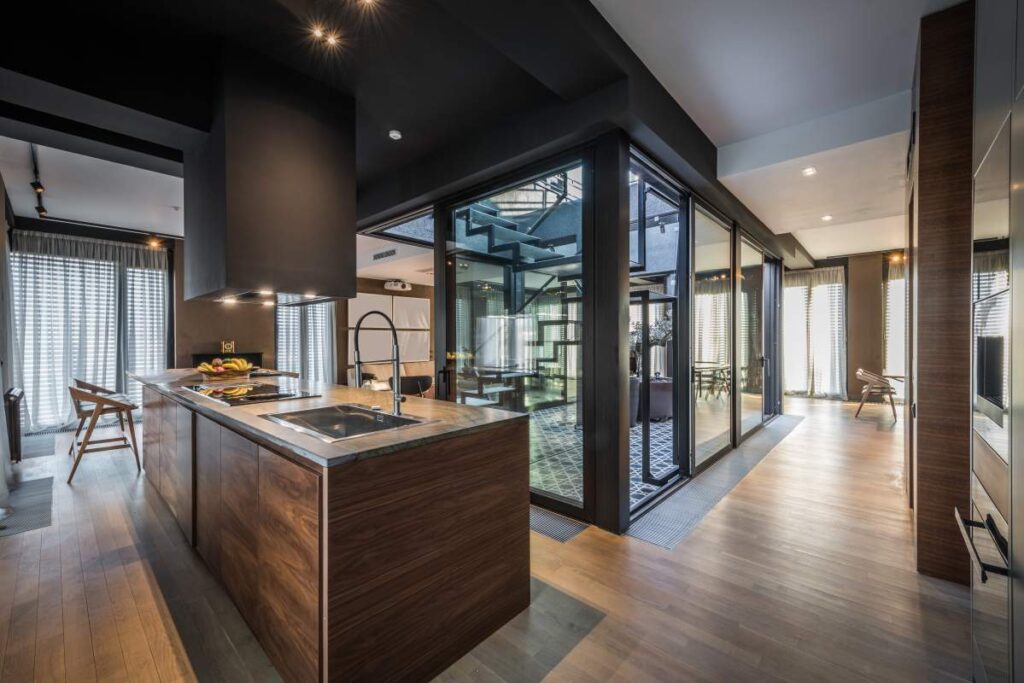
Luxury condo buyers are usually looking for more than attractive finishes or a desirable view. The strongest demand tends to center on comfort, privacy, building quality, predictable ownership costs, and a location that supports the way residents actually use the property.
For buyers considering a condominium in Hilton Head Island, the most appealing homes often combine low-maintenance living with features that make daily life easier, whether the condo is used as a full-time residence, seasonal home, family gathering place, or occasional retreat.
Do buyers care more about the view or the floor plan?
Both matter, but a practical floor plan often has more lasting value than a dramatic view by itself. Buyers typically want rooms that feel spacious, private, and easy to use rather than large areas that are difficult to furnish or maintain.
Commonly preferred features include:
- Open kitchen, dining, and living areas
- Bedrooms separated for greater privacy
- More than one comfortable gathering space
- Generous closets and dedicated storage
- Outdoor living areas that are usable, not merely decorative
- Windows positioned to bring in natural light without sacrificing privacy
Views remain highly influential, particularly when they provide a sense of space, mature landscaping, water, or protected natural surroundings. However, buyers often look closely at what can be seen from the main living areas, primary bedroom, and outdoor terrace—not just from one specific window.
A condo with a slightly less dramatic outlook may be more appealing if its layout offers better privacy, quieter bedrooms, stronger natural light, and easier access to shared amenities.
Which interior features define a luxury condo?
Luxury is increasingly associated with quality, durability, and comfort rather than visual excess. Buyers often respond to materials and systems that look refined but also perform well in a coastal climate.
Features that commonly receive close attention include:
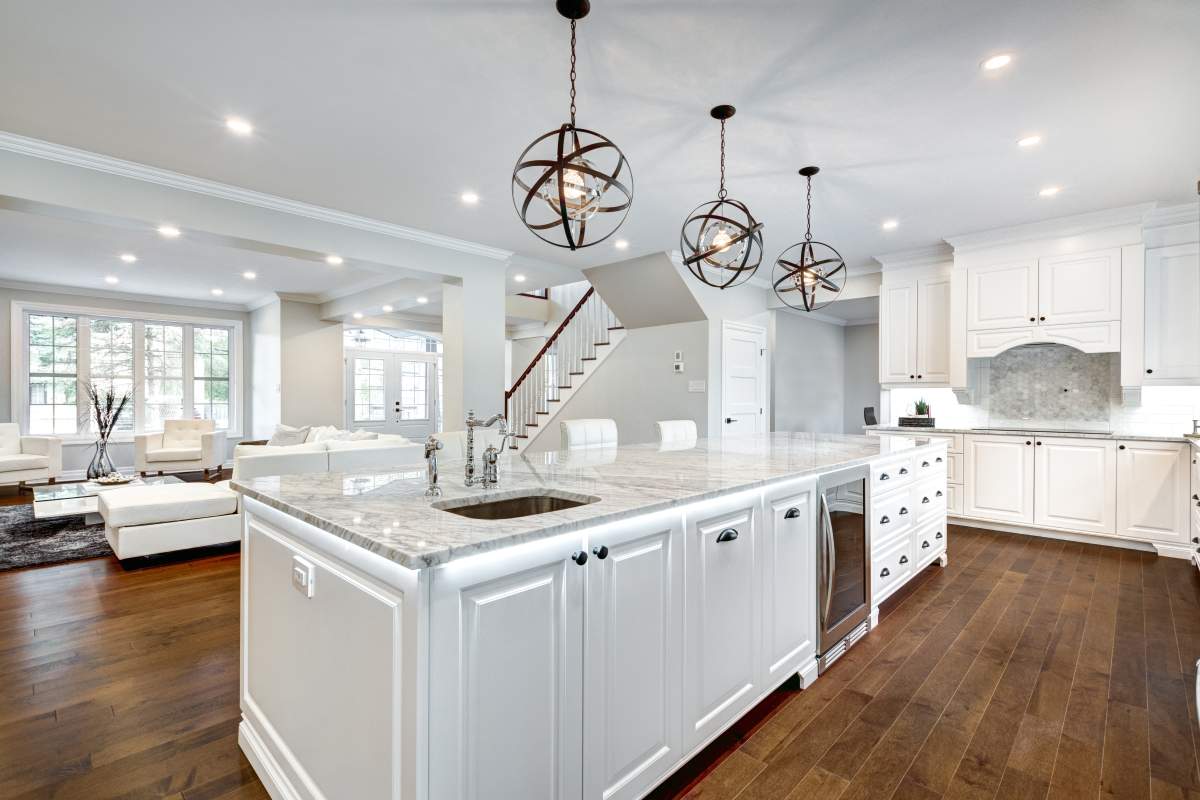
- Well-designed kitchens with substantial storage
- Stone or other durable countertop materials
- High-quality cabinetry and hardware
- Large, well-finished bathrooms
- Impact-resistant or energy-efficient windows where applicable
- Quiet heating and cooling systems
- Durable flooring that can handle sand, moisture, and frequent use
- Strong sound insulation between residences
In a coastal community, resilience can be just as meaningful as appearance. Buyers may ask about the age of the roof, exterior materials, windows, balconies, elevators, plumbing systems, and heating and cooling equipment. These details are not always visible during a showing, but they can influence comfort and future expenses.
A polished interior cannot fully compensate for aging building systems or deferred exterior maintenance.
Why are building finances so important?
Condominium ownership includes more than the purchase price and monthly dues. Buyers want confidence that the association is financially prepared to maintain shared property and respond to major repairs.
Important questions often involve:
- Current monthly assessments and what they cover
- Reserve funds for roofs, exterior surfaces, elevators, and other major components
- Recent or planned special assessments
- Insurance coverage for shared structures
- Maintenance responsibilities assigned to the association and the individual owner
- Rules affecting leasing, renovations, pets, vehicles, and storm preparation
A lower monthly fee is not automatically an advantage. If dues have been kept artificially low while necessary repairs are postponed, future assessments may be more difficult to manage.
Buyers generally value transparent records and a realistic maintenance plan. In a coastal environment, regular attention to moisture, salt exposure, wind, drainage, landscaping, and exterior finishes can help reduce the risk of larger problems later.
How much do privacy and noise affect buyer decisions?
Privacy has become one of the clearest markers of luxury condo living. Buyers may evaluate hallway traffic, elevator placement, neighboring balconies, views into adjacent units, parking activity, and the amount of sound traveling through walls or ceilings.
A condo may feel private because of:
- Limited units per floor
- Well-separated entrances
- Landscaping or architectural screening
- A balcony that is not directly exposed to nearby residences
- Quiet mechanical systems
- Good separation from roads, pools, gathering areas, and service access
Noise can vary by season. A building that feels quiet during a limited showing may experience more activity during holidays, summer occupancy, or periods of increased rental use. Buyers should consider how the property functions at different times of year, especially if peaceful surroundings are a major reason for purchasing.
What outdoor features matter most in a coastal setting?
Outdoor space is highly valued, but usability matters more than size alone. Buyers typically want balconies, patios, or terraces that provide shade, comfortable seating, and enough room for everyday use.
Useful outdoor considerations include:
- Orientation toward morning or afternoon sun
- Protection from prevailing winds
- Screening from nearby units
- Drainage and surface condition
- Storage for outdoor furnishings or recreational equipment
- Rules governing grills, furniture, planters, and exterior improvements
- The condition of railings, waterproofing, and balcony surfaces
Salt air, humidity, heavy rain, and tropical weather can accelerate wear on outdoor materials. Buyers may therefore place a premium on buildings with consistent exterior maintenance and practical plans for securing or storing outdoor items during severe weather.
Do amenities influence the definition of luxury?
Amenities matter when they support the buyer’s actual lifestyle. A long list of facilities is less valuable if they are poorly maintained, overcrowded, expensive to operate, or rarely used.
Frequently valued amenities include:
- Well-maintained pools and shaded seating
- Fitness or wellness areas
- Secure entry systems
- Elevators with dependable service
- Guest parking
- Bicycle or recreational storage
- Comfortable common areas
- Direct or convenient access to outdoor activities
Buyers should also examine how amenities affect ownership costs. Shared facilities require insurance, repairs, staffing, utilities, and periodic replacement. The quality of an amenity depends not only on its appearance but also on whether the association has planned for its long-term care.
How do seasonal use and rental rules affect demand?
Many condo buyers want flexibility. They may spend part of the year in the residence, host family and friends, or use the property intermittently. Others may have no interest in leasing the unit at all.
Association rules can significantly affect that choice. Buyers often review:
- Minimum rental periods
- Limits on the number of leased units
- Reservation or registration requirements
- Rules for guests and occupants
- Restrictions on owner improvements
- Move-in and move-out procedures
- Whether furnishings must meet specific standards
Rental activity can influence privacy, wear, parking demand, and the overall character of a building. A buyer seeking a quiet, residential atmosphere may prioritize a community with more limited leasing, while another buyer may place greater value on flexibility.
Neither structure is universally better. The important question is whether the rules match the intended use of the property.
What do buyers often overlook?
Several less obvious details can affect long-term satisfaction:
- Storage for beach, recreational, or seasonal equipment
- The distance from parking to the unit
- Reliability of elevators during busy periods
- Cell service and internet performance inside the building
- Accessibility for older residents or visiting family members
- Flood-related considerations and insurance responsibilities
- Whether furniture can be moved through doors, elevators, and corridors
- The ability to replace flooring, cabinetry, windows, or fixtures under association rules
Buyers may also underestimate the value of a well-managed building. Clean common areas, prompt attention to maintenance, clear communication, and consistent enforcement of rules can have a greater effect on daily life than a highly elaborate lobby.
The most desirable luxury condos tend to provide a balanced ownership experience: attractive private space, reliable shared infrastructure, manageable maintenance, and rules that support the way residents intend to live. In Hilton Head Island, that balance is especially relevant because coastal conditions, seasonal patterns, and outdoor-oriented lifestyles all place demands on a condominium beyond its interior appearance.