

 See My Latest Article on HelloNation
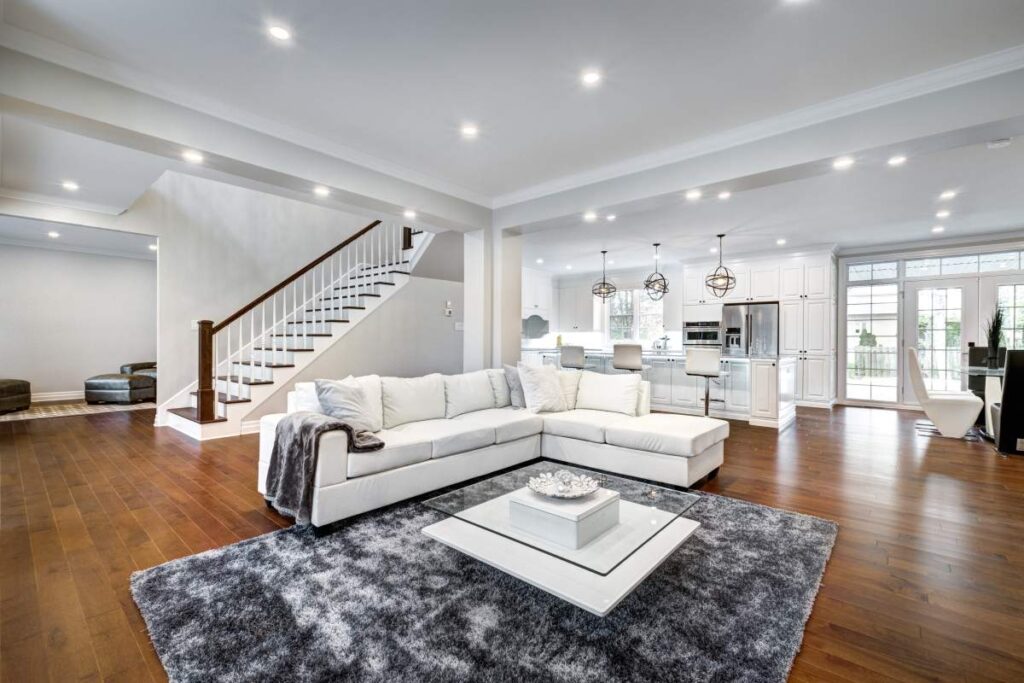
Can a luxury home reflect personal taste and still appeal to future buyers?
Yes. The safest approach is to personalize a home through details that improve comfort, function, and visual quality without making the property difficult to understand or change later. Luxury buyers generally appreciate individuality, but they also tend to value proportion, craftsmanship, maintenance, and flexibility.
The goal is not to create a completely neutral home. It is to make personal choices feel intentional, well executed, and compatible with the property’s architecture and setting.
In Hilton Head Island, that often means considering coastal humidity, salt exposure, strong sunlight, storm conditions, outdoor living, and the practical demands of homes that may be occupied seasonally or rented at different times of the year.
Which upgrades usually protect or improve resale value?
Improvements that make a home more durable, comfortable, and usable are generally safer than changes based only on a narrow decorating preference.
High-value personalization often includes:
- Better lighting plans that combine ambient, task, and accent lighting
- High-quality window treatments that manage glare and heat
- Durable flooring suited to humidity, sand, and frequent foot traffic
- Built-in storage that is attractive but not overly specialized
- Well-planned outdoor living areas
- Improved sound control in bedrooms, offices, and entertainment spaces
- Efficient kitchen and laundry layouts
- Carefully selected plumbing and lighting fixtures
- Landscape improvements that support privacy without creating excessive maintenance
These changes can express a homeowner’s taste while addressing needs that many future owners will also recognize.
A custom reading room, for example, may appeal to a broad audience if it can easily become an office, bedroom, or sitting room. A room designed around one highly specific collection may have a narrower audience and require more alteration later.
How much color and pattern is too much?
There is no universal limit, but highly permanent finishes deserve more restraint than easily changed furnishings. Paint, rugs, artwork, drapery, and upholstered pieces can be replaced without major construction. Tile, stone, cabinetry, millwork, and plumbing fixtures are more costly and disruptive to change.
A useful balance is to keep major surfaces relatively adaptable while using color and pattern in removable layers. A bold wall color may be harmless in a bedroom, but a strongly themed kitchen backsplash or brightly colored stone throughout the house can become a resale obstacle.
Coastal homes do not need to rely on predictable blue-and-white decorating. Natural wood, soft greens, warm neutrals, muted earth tones, and textured fabrics can create a relaxed atmosphere without making the home feel themed.
Before committing to a dramatic finish, consider whether it:
- Works with the home’s natural light throughout the day
- Complements the architecture and surrounding landscape
- Looks appropriate in both occupied and unfurnished conditions
- Can be changed without replacing several connected materials
Should luxury homeowners avoid custom built-ins?
No. Custom built-ins can add value when they solve common storage or organizational problems and appear integrated with the home’s design.
Useful examples include:
- Entry storage for shoes, bags, and outdoor gear
- Linen storage near bedrooms and bathrooms
- Built-in office cabinetry
- Media storage that can conceal equipment
- Pantry organization
- Closets with adjustable shelving
- Seating near windows or in reading areas
The risk arises when a built-in is too specialized, too large, or difficult to remove. A wall designed exclusively for one oversized television, a display system for a very specific collection, or a closet with fixed compartments may limit future use.
Adjustable components and concealed technology provide more flexibility. The best built-ins look like part of the original architecture rather than an addition that dominates the room.
What should be considered in a coastal environment?
Materials selected for a coastal home should be evaluated for moisture, salt air, sunlight, and maintenance. A finish that performs well in a dry inland climate may age differently near the coast.
Personalization should account for:
- Corrosion-resistant hardware and fixtures
- Fabrics that tolerate bright sunlight
- Flooring that handles tracked-in sand and humidity
- Cabinet finishes that are easy to clean
- Exterior materials that can be maintained without unusual effort
- Outdoor furniture and shades designed for exposure
- Proper ventilation in kitchens, bathrooms, laundry areas, and enclosed storage
This does not mean every material must be industrial or plain. It means decorative choices should be matched with realistic maintenance expectations.
Dark exterior colors, delicate natural materials, and untreated metals may create a striking appearance, but they can require more frequent upkeep in a coastal setting. If used, they should be selected with a clear understanding of how they will weather.
How can outdoor spaces be personalized without becoming liabilities?
Outdoor areas are a major part of luxury living, but they should remain functional across different seasons and household routines. A well-designed outdoor space can include comfortable seating, dining, shade, lighting, storage, and privacy without becoming overly complicated.
Personal touches may include:
- A built-in dining area
- A quiet garden terrace
- A screened sitting space
- Layered landscape planting
- Outdoor lighting with adjustable intensity
- A dedicated area for rinsing sand and storing equipment
- Flexible seating that can be rearranged
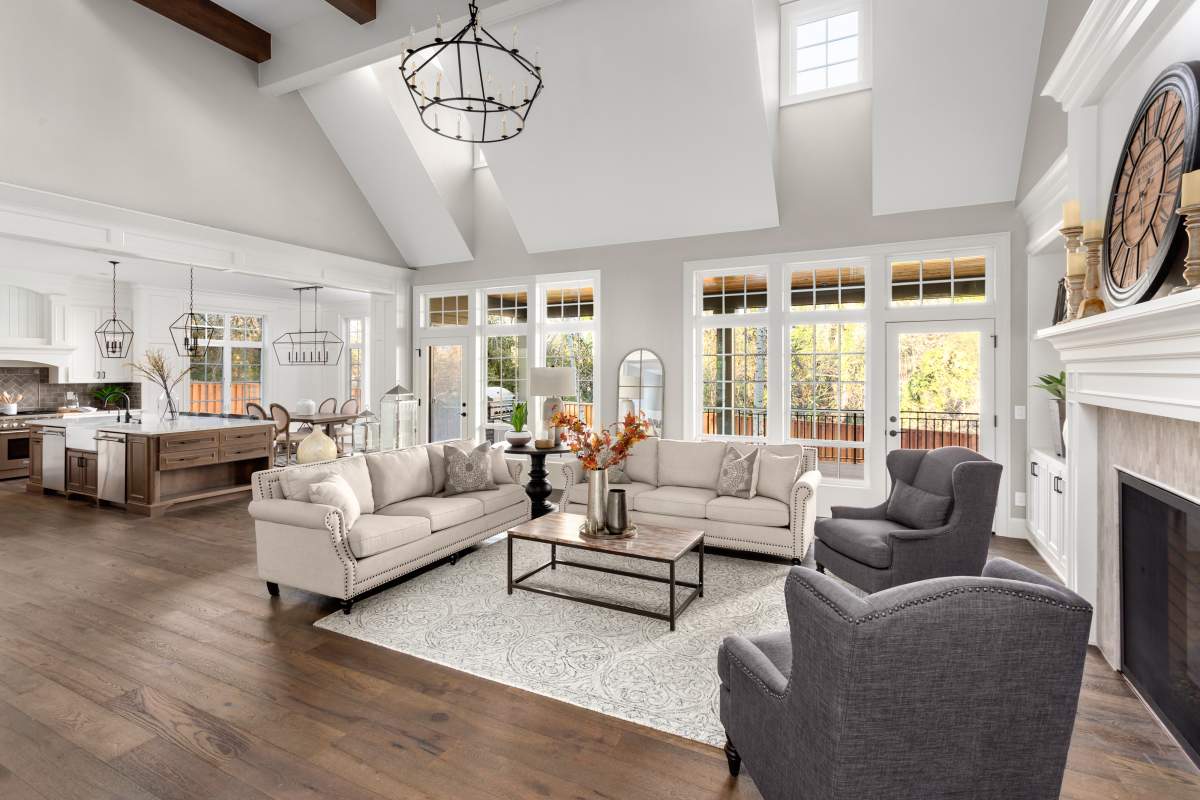
Permanent features require more caution. Oversized structures, elaborate water features, highly specific recreational installations, or plantings that demand intensive care may reduce appeal if they consume too much space or create maintenance concerns.
Drainage, stormwater movement, wind exposure, and local property restrictions should be considered before making significant exterior changes. Some modifications may also require permits or approval under applicable community rules.
Do smart-home features help or hurt value?
Technology can support value when it improves comfort, security, energy management, or convenience without becoming difficult to operate. Buyers are more likely to appreciate systems that are intuitive and clearly documented.
Practical features may include:
- Programmable lighting
- Zoned climate control
- Leak detection
- Automated shades
- Security monitoring
- Pool or irrigation controls
- Backup power planning
- Strong, reliable internet coverage
The main risk is excessive complexity. A home with multiple overlapping systems, discontinued equipment, or controls that only one person understands can create uncertainty.
Keep manuals, warranties, access information, and reset instructions in one organized location. Whenever possible, choose systems that can be operated manually if technology fails or a future owner prefers simpler controls.
What personalizations are most likely to hurt resale value?
The most limiting choices are usually expensive to remove, strongly themed, or designed for a very small group of buyers.
Examples may include:
- Converting too many bedrooms into specialized rooms
- Installing highly distinctive permanent flooring or tile
- Removing useful storage for decorative features
- Creating a layout that eliminates flexible living space
- Using fragile materials in high-traffic areas
- Building oversized cabinetry that cannot be repurposed
- Adding features that require unusually high maintenance
- Making unapproved structural or exterior changes
Luxury buyers may accept distinctive design, but they still expect quality, proportion, and practical functionality. A home can be memorable without becoming difficult to live in.
How should a homeowner evaluate a highly personal design decision?
Ask whether the choice improves the home in at least two ways. For example, a window treatment may add privacy and reduce glare. A built-in bench may provide seating and storage. A durable stone may offer both visual character and resistance to daily wear.
Also consider reversibility:
- Can the change be removed without major demolition?
- Does it reduce the number of possible uses for a room?
- Will replacement materials be available later?
- Is the feature compatible with the home’s climate and maintenance demands?
- Would the improvement still make sense if the property were occupied by a different household?
Personal expression tends to hold value best when it is layered over a sound, adaptable foundation. Keep the architecture, floor plan, major systems, and high-cost finishes broadly useful. Use furnishings, artwork, paint, lighting accents, textiles, and carefully scaled decorative elements to make the home distinctly personal.