

 See My Latest Article on HelloNation
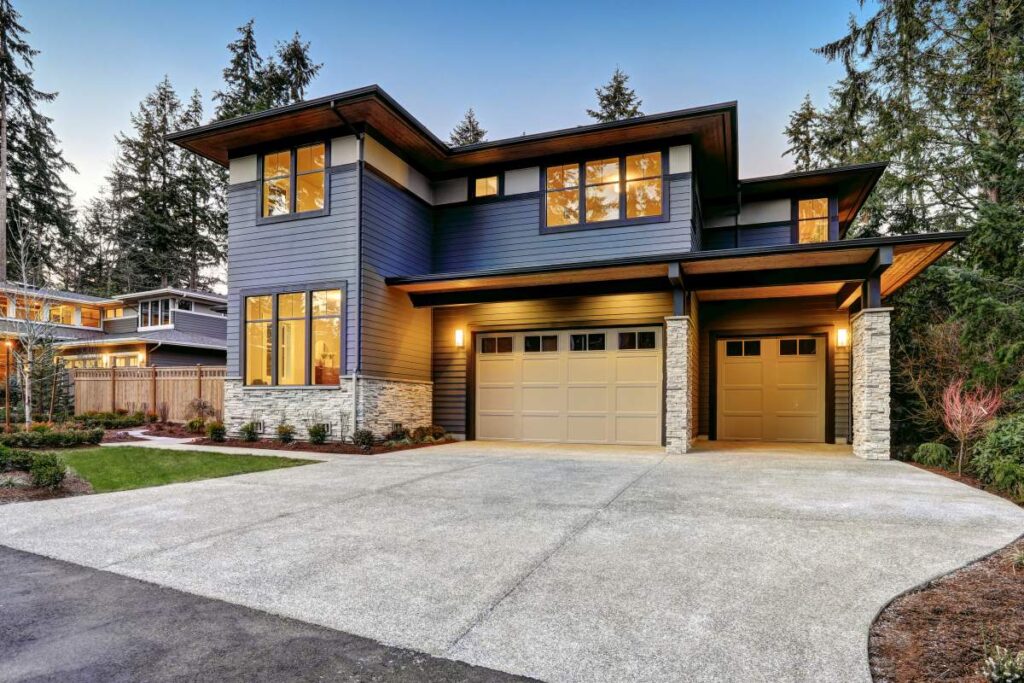
Waterfront property can offer exceptional views and direct access to the water, but it also brings maintenance, insurance, environmental, and regulatory considerations that do not apply to every luxury home. In Hilton Head Island, SC, buyers and current owners should evaluate not only the house itself, but also the shoreline, drainage, elevation, access, and long-term upkeep.
What qualifies as a luxury waterfront property?
A luxury waterfront property is generally defined by a combination of location, construction quality, privacy, views, amenities, and usable access to the water. Price alone does not determine whether a home belongs in this category.
Waterfront settings may include:
- Deep-water frontage suitable for certain boating activities
- Marsh frontage with expansive tidal views
- Canal or lagoon access
- Homes positioned along sheltered water
- Properties with private docks, piers, boat lifts, or shoreline access
- Elevated residences designed around wide water views
The term “waterfront” can describe very different ownership experiences. A home directly on open water may have broader views but greater exposure to wind, salt, tidal movement, and wave action. A marsh-front home may provide privacy and scenery while offering limited direct boating access. A canal property may have convenient water access, but its usefulness can depend on depth, tides, turning room, and nearby structures.
How should the water location be evaluated?
The specific type of waterfront matters as much as the view. Buyers should determine what the water can realistically be used for during different tide cycles and seasons.
Questions worth asking include:
- Is the frontage open water, marsh, canal, lagoon, or a tidal creek?
- Is the shoreline accessible on foot?
- Does the water remain deep enough for the intended boat at low tide?
- Is the route to larger navigable water unobstructed?
- Are there bridges, narrow channels, or turning limitations?
- Does the property have legal rights to use an existing dock or pier?
- Are dock structures permitted, grandfathered, or subject to repair restrictions?
A property may be described as having boat access even when the route is practical only during certain tide conditions. Tide charts, surveys, recorded easements, and dock permits can provide more useful information than listing language.
What should be inspected beyond the house?
Waterfront due diligence should extend well beyond the roof, foundation, plumbing, and electrical systems. The shoreline and exterior structures may represent a substantial portion of the property’s long-term cost.
Important areas to review include:
- Seawalls, bulkheads, riprap, and other shoreline stabilization
- Docks, piers, lifts, ladders, and gangways
- Drainage paths and areas that hold water after heavy rain
- Crawl spaces, pilings, decks, retaining features, and exterior stairs
- Roof condition and fastening systems
- Windows, doors, exterior finishes, and hardware exposed to salt air
- Air-conditioning equipment and other mechanical systems
- Evidence of settlement, erosion, corrosion, wood decay, or mold
A conventional home inspection may not fully evaluate marine structures or shoreline conditions. Separate review may be necessary when a property includes a dock, bulkhead, seawall, boat lift, retaining wall, or other water-related improvements. Repairs can be complex because access, tides, environmental conditions, and permitting may affect the work.
How do flooding and elevation affect ownership?
Flood risk is a central consideration for waterfront homes, even when a property has never experienced visible flooding. Risk can be influenced by storm surge, heavy rainfall, tidal conditions, drainage capacity, and the elevation of the structure relative to surrounding land.
Flood maps and insurance requirements can change over time, and a map designation does not describe every property’s actual exposure. Buyers should review the home’s elevation information, prior flood claims when available, building history, drainage patterns, and the difference between the finished living area and lower-level spaces.
A home with an elevated main living area may still have vulnerable equipment, storage, garages, enclosures, or access stairs below. These areas can affect insurance costs and post-storm recovery even when the main floor remains usable.
Coastal construction standards may also affect renovations, additions, enclosures, and replacement of damaged structures. Any assumption that an older improvement can be rebuilt exactly as it exists should be verified before purchase.
What insurance costs should be expected?
Waterfront insurance is often more complicated than standard homeowners coverage. A policy may address the residence, while flood coverage, wind coverage, named-storm deductibles, dock structures, personal property, and watercraft may be treated separately or excluded.
Potential cost factors include:
- Flood-zone designation and elevation
- Distance to open water
- Construction date and building methods
- Roof age and roof geometry
- Storm-resistant windows, doors, and shutters
- Prior claims
- Coverage limits and deductibles
- Whether docks, seawalls, lifts, or detached structures are insured
Insurance premiums and coverage terms can change, so relying on a seller’s current cost may create an inaccurate picture of future ownership expenses. Written insurance information should be reviewed early, especially before making decisions based on a property’s total annual carrying cost.
What maintenance is unique to waterfront homes?
Waterfront maintenance is usually more frequent because salt, humidity, wind, standing water, and intense sunlight accelerate wear. The most expensive problems often begin as small exterior issues.
A practical maintenance plan may include:
- Washing salt residue from exterior surfaces and hardware
- Checking metal fasteners, railings, hinges, and outdoor fixtures for corrosion
- Inspecting decks, stairs, docks, and pilings for deterioration
- Cleaning gutters and confirming that downspouts discharge properly
- Reviewing roof surfaces and flashing after major storms
- Monitoring drainage, erosion, and areas of standing water
- Checking seals around windows and doors
- Servicing mechanical equipment according to coastal exposure conditions
Landscaping also requires special attention. Plants, soil, irrigation, and drainage can be affected by salt exposure and periodic flooding. Overgrown vegetation near drainage routes may create problems during heavy rain, while trees near structures or power lines may require storm-preparation planning.
Do waterfront properties have special rules?
Many shoreline improvements are subject to local, state, or federal requirements. Regulations may apply to docks, piers, seawalls, bulkheads, dredging, shoreline alteration, vegetation removal, boat lifts, and construction near wetlands or tidal areas.
Existing improvements should not automatically be assumed to have transferable rights. Useful records may include:
- Building permits
- Dock or pier permits
- Site plans and surveys
- Easements and access agreements
- Setback information
- Records related to shoreline stabilization
- Restrictions affecting reconstruction or replacement
A property’s current appearance does not prove that every structure is legally permitted or that it can be expanded. This is particularly relevant for older docks, enclosed areas, retaining features, and improvements located near marsh or tidal water.
What should buyers budget for besides the purchase price?
The total cost of waterfront ownership includes recurring expenses, reserves for major repairs, and the possibility of unusual storm-related costs. A realistic budget may need to include:
- Homeowners, flood, and wind-related insurance
- Dock, lift, seawall, or bulkhead maintenance
- Exterior painting and corrosion control
- Storm preparation and post-storm cleanup
- Tree care and drainage work
- Pest and moisture management
- Utility costs for larger homes
- Replacement reserves for roofs, decks, mechanical systems, and marine structures
A property with a lower purchase price may require more immediate investment if its dock, roof, seawall, drainage, or mechanical systems are near the end of their useful life. Conversely, a well-maintained home with documented improvements may have more predictable ownership costs.
Is the best waterfront property always the one with the widest view?
Not necessarily. The most suitable property depends on how the water will be used and what level of maintenance is acceptable.
A buyer focused on boating may prioritize depth, navigability, dock condition, and tidal access. Someone more interested in scenery and privacy may value marsh views, natural shoreline, and outdoor living areas. A household concerned about long-term upkeep may prefer a setting with fewer marine structures and less exposed shoreline.
The strongest evaluation considers the complete ownership experience: water access, storm exposure, insurance, maintenance, regulations, privacy, resale appeal, and daily usability. A beautiful view is a meaningful benefit, but it should be assessed alongside the physical and financial responsibilities that come with living beside the water.