

 See My Latest Article on HelloNation
How Are Property Taxes Calculated for Luxury Homes in Hilton Head Island, SC?
Property taxes for luxury homes in Hilton Head Island, SC are based primarily on the assessed value of a property and the local millage rate set by the county and other public agencies. The Beaufort County Assessor determines the market value of each property, which is then assessed at a percentage based on how the property is used.
For owner-occupied primary residences, the assessment ratio is 4% of the fair market value. For second homes, vacation properties, or rental homes, the ratio increases to 6%. This difference makes a substantial impact on annual tax bills—a common point of confusion for both new buyers and seasonal residents.
*Example:*
A $2,500,000 primary residence would be assessed at $100,000 (4%), while a second home of the same value would be assessed at $150,000 (6%). The assessed value is then multiplied by the applicable millage rate to determine the property tax owed.
What Is the Millage Rate and How Does It Affect My Tax Bill?
The millage rate represents the amount of tax payable per $1,000 of assessed value. Local taxing authorities—including Beaufort County, school districts, and other special districts—set these rates annually based on budget needs.
Property taxes are calculated with this simple formula:
- Assessed Value × Millage Rate = Property Tax Owed
Luxury homes often attract attention because even slight changes in millage rates or assessed value can translate into thousands of dollars in annual taxes. Residents often check annual mailed notices in the fall for updates.
Are There Exemptions or Discounts for Luxury Properties?
Homestead exemptions are available to qualifying homeowners over the age of 65, those who are permanently disabled, or legally blind. This exemption can reduce the taxable value of the primary residence by $50,000—but does not apply to second homes or investment properties.
Luxury homes, unless used as a primary residence and meeting the criteria above, are generally subject to the full tax assessment.
Misunderstandings sometimes arise about exemptions “capping” taxes on high-value properties. The exemption applies only to the assessed value portion, not to market value in its entirety, and is subject to specific eligibility requirements.
How Often Are Properties Reassessed, and What Triggers a Change?
Properties in Hilton Head Island are generally reassessed on a five-year cycle, as required by South Carolina state law. However, changes such as major renovations, additions, or the purchase of a home at a value significantly different from the last assessment can prompt a reassessment outside this cycle.
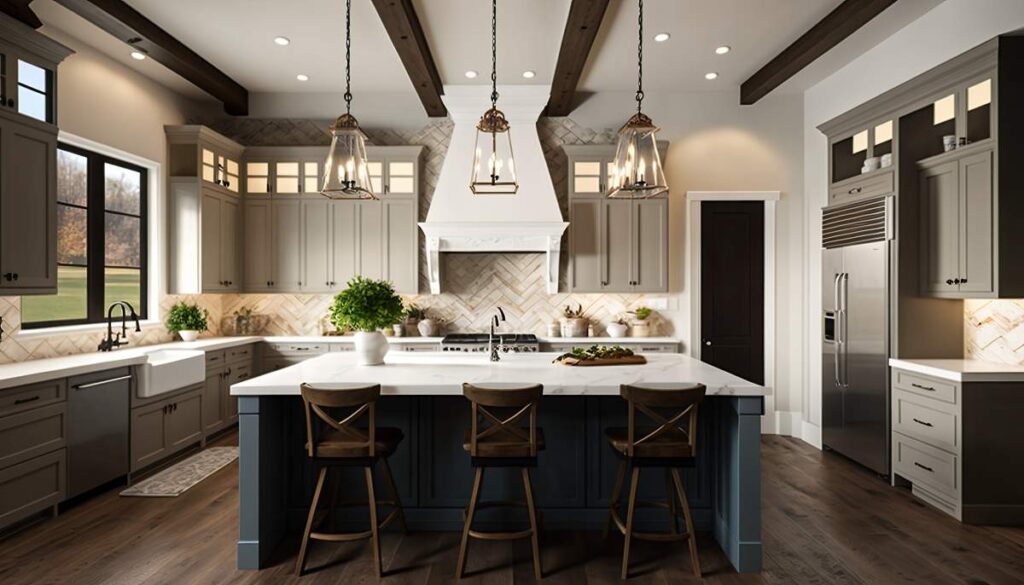
For luxury properties, notable improvements—such as remodeled kitchens, new swimming pools, or home additions—can raise the assessed value. Residents sometimes underestimate how upgrades or the acquisition price of high-end homes will affect their future tax bills.
What Are Common Mistakes or Surprises for Luxury Homeowners?
- Purchasing an additional residence and not understanding that the higher assessment ratio (6%) applies to non-primary homes.
- Assuming the previous owner’s property tax bill will remain unchanged after a sale; reassessment at purchase price often results in a higher bill.
- Overlooking ongoing adjustments after significant renovations or construction.
- Missing eligibility for available exemptions due to residency status or paperwork errors.

Reviewing the county-assessed value yearly and understanding which rate applies for intended use helps area households avoid unpleasant surprises.
How Can a Property Owner Verify or Appeal an Assessment?
Residents receive annual notices of assessment and proposed property taxes. If a property owner believes their assessed value is too high—or that the use classification is incorrect—they may appeal within 90 days of receiving the notice.
The appeal process usually involves providing recent comparable sales data, proof of incorrect property details, or evidence that market values have changed. Especially with luxury homes, accurate records of upgrades and recent appraisals can help make a stronger case.
How Do Local Taxes on Luxury Homes Compare to Other States or Regions?
South Carolina, including Hilton Head Island, is known for relatively moderate property tax rates compared to some other coastal regions or luxury markets. However, the two-tier system (4% vs 6% assessment) often creates higher effective taxes on second homes or investment properties popular in vacation-oriented communities.
Buyers relocating from high-tax states may find the tax environment favorable, but ongoing increases in property values and periodic reassessments can still lead to notable annual increases. Comparing net ownership costs with those of other regions provides a clearer perspective than focusing on one year's bill alone.
What Should I Keep in Mind if I’m Planning Upgrades or Future Sales?
- Significant renovations will be factored into new assessed values and can increase future property taxes.
- If selling, be aware that buyers may compare your existing tax bill to what they will pay post-sale, due to reassessment.
- Keeping documentation on all permitted improvements, square footage, and use classification helps ensure accurate future assessments.
- New owners should confirm homestead exemption eligibility as soon as possible after occupancy.