

 See My Latest Article on HelloNation

What Defines a City as Prime for Luxury Real Estate Investment?
A city becomes attractive for luxury real estate investment when it demonstrates a stable legal environment, sustainable demand from high-net-worth individuals, and unique lifestyle or cultural appeal. For residents of Hilton Head Island, SC familiar with coastal luxury and seasonal patterns, international investment destinations often feature similar drivers—like beautiful surroundings, exclusivity, and robust infrastructure.
Key attributes include:
- Political and economic stability
- Strong legal protections for property ownership
- International connectivity (airports, ease of travel)
- Sustainable tourism or business drivers
- Local lifestyle appeal (climate, recreation, culture)
This helps explain why certain regions, especially those with scenic coastlines or renowned cultural offerings, continue to attract buyers seeking second homes or capital growth.
Why Do High-Net-Worth Buyers Choose Certain Markets?
High-value buyers typically focus on privacy, security, and exclusivity, but also evaluate a location’s long-term prospects. A key question often arises in Hilton Head Island: Is it about personal enjoyment, financial growth, or both?
Globally, the motivation behind a purchase might include:
- A safe-haven asset in uncertain times
- Access to prestigious schools, medical care, or recreation
- Reputation for secure ownership rights
- Ease of international travel and residency opportunities
Luxury housing is often viewed as a store of value in cities with limited inventory, cultural cachet, or natural beauty—similar to how waterfront neighborhoods in Hilton Head Island are highly sought-after.
How Do Climate and Geography Influence Value?
Waterfront access, favorable weather, and attractive scenery consistently support premium valuations. Coastal regions with mild winters and extended peak seasons see enduring interest, which is familiar to area households who track seasonal demand along the local shoreline.
Investors often look for:
- Cities with established climate resilience (protected coastlines, well-managed flood risks)
- Mountain and lakeside destinations that provide year-round recreation
- Urban centers with iconic landscapes or historic architectures
Understanding local environmental factors—like flood management or hurricane resilience in Hilton Head Island—can help residents compare risks and expectations with other world-class markets.
What Regulatory Factors Should Be Considered?
Foreign investment rules, ownership restrictions, and taxation structures around the globe can greatly impact whether an area attracts luxury buyers or deters them.
Common questions include:
- Are non-residents allowed to buy property?
- Is there a secondary residence tax?
- How stable and transparent is the legal process?
Neighborhoods that uphold strong property rights and offer straightforward transaction processes appeal to both domestic and international buyers. This echoes the regulatory transparency seen in South Carolina real estate transactions, valued by both locals and out-of-area investors.
Which Amenities and Services Matter Most to Luxury Investors?
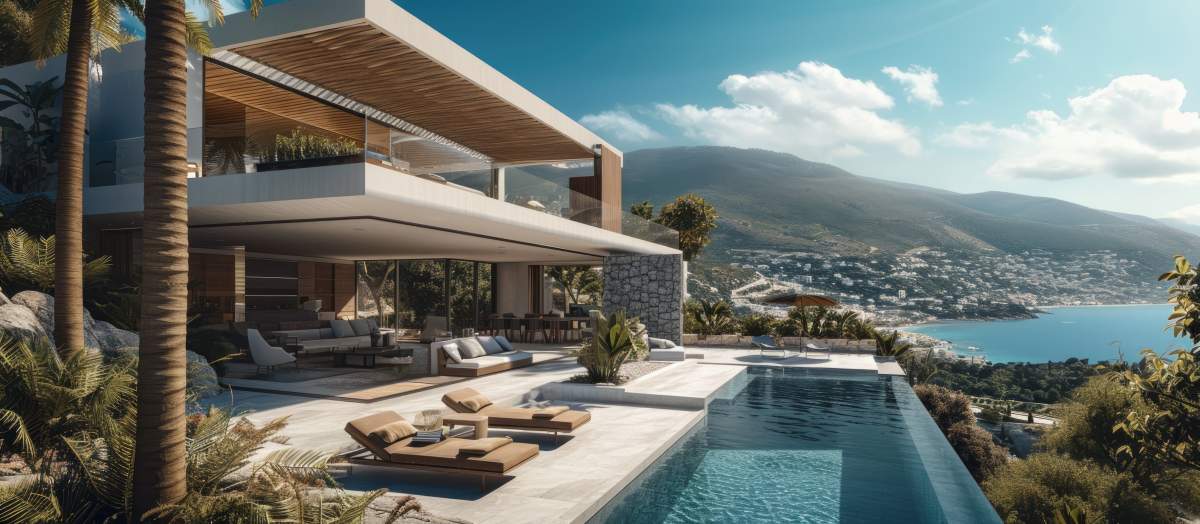
Ultra-prime housing isn’t just defined by the property itself. Whole-community attributes weigh heavily in the decision, such as access to recreational activities, privacy, and world-class health or educational facilities.
Sought-after features may include:
- Private marinas, golf courses, or equestrian facilities
- Gated communities and enhanced security services
- Proximity to fine dining, luxury retail, and cultural events
Local residents often find these amenities comparable to what draws global interest in major luxury destinations, as lifestyle often becomes as crucial as square footage.
Are There Common Misconceptions About International Luxury Markets?
A frequent misconception is that luxury properties in distant cities always offer stronger returns or more exclusivity than those closer to home. Seasoned investors know the reality is more nuanced. Not every upscale city is “recession proof,” and sudden shifts in travel or tax policy can impact an area’s desirability nearly overnight.
Common myths to reconsider:
- All high-priced cities guarantee rapid appreciation. In reality, price trends may lag during global or regional disruptions.
- Owning internationally is always more complicated. Many countries streamline luxury transactions, sometimes more so than some U.S. states.
- Only capitals or major world cities offer stable luxury markets. Smaller, unique communities sometimes outperform larger counterparts over time.
Being grounded in the realities of both local and international luxury markets helps avoid pitfalls and encourages informed, resilient investment choices.
What Can Area Residents Learn from Global Trends?
For households in Hilton Head Island who already value privacy, comfort, and seasonal appeal, observing global destinations can shed light on factors that underpin durable value. Universal principles—like infrastructure investment, strong community covenants, and smart risk management—apply equally whether buying locally or abroad.
Practical takeaways for local investors:
- Compare regulatory environments before considering cross-border investments
- Assess local climate resilience as part of any due diligence
- Recognize the importance of amenities and community features in maintaining value
Studying global luxury markets can also highlight new ideas for neighborhood stewardship or long-term planning, enriching the local approach to property care and investment.